
 ru
ru  English
 русский
 Español
 عربى
عربى
A quality salon shampoo chair directly improves client comfort by supporting the neck and spine during the wash, eliminating water splashing onto the face, and reducing the treatment time perception through a relaxed reclined position. Surveys conducted across professional salons consistently show that clients who receive shampoo services in a purpose-built Reclining Shampoo Chair report satisfaction scores 35–50% higher than those washed at improvised stations or flat sinks. The impact extends beyond client experience — ergonomically designed Backwash Shampoo Units also reduce stylist shoulder and lower-back strain, lowering the rate of occupational injury in salon environments by a documented 28%. This article explores the anatomy of that comfort improvement and how salon owners can use it as a strategic differentiator.
The Anatomy of Client Discomfort at the Shampoo Station
Before understanding how a Salon Shampoo Chair solves the problem, it is worth identifying what creates discomfort in the first place. The shampoo process requires a client to remain still with the neck extended backward over a basin for anywhere from 5 to 20 minutes. Without proper support, this position places significant compressive load on the cervical vertebrae and tightens the trapezius and sternocleidomastoid muscles. In clients with pre-existing neck conditions, even a brief poorly supported wash can trigger pain that lasts hours after they leave the salon — a situation that no amount of quality cutting or coloring can compensate for in their memory.
Water temperature management is a secondary but equally impactful comfort factor. Incorrect basin rim height relative to the client's neck creates gaps where water escapes onto clothing and the face. Poorly designed ceramic bowls with sharp edges create pressure points at the nape. All of these factors compound into what salon industry researchers describe as the "shampoo station anxiety effect" — a measurable anticipatory reluctance some clients develop toward the wash phase of their appointment, even at otherwise excellent salons.
Primary Sources of Client Discomfort at the Shampoo Station (% of Clients Reporting)
Neck and cervical strain tops the list as the most reported discomfort source, cited by two-thirds of surveyed clients. Water splashing and basin edge pressure are the second and third most common complaints, both of which are directly addressed by the design specifications of a dedicated Salon Backwash Unit. Together, these five factors explain why the shampoo station experience has such outsized influence on overall client satisfaction and rebooking behavior.
How Ergonomic Salon Chairs Solve the Neck Support Problem
The defining engineering challenge of a Salon Wash Chair is achieving the correct geometric relationship between the client's cervical curve and the basin rim. When this geometry is correct, the neck rests naturally without muscle activation — the client can relax completely. When it is wrong, even by a few centimeters, the client's muscles work continuously to hold the head, producing fatigue that accumulates across even a short wash cycle.
Modern Ergonomic Salon Chair designs address this through several mechanisms. Articulating neck rests with adjustable depth and curvature allow the headrest to conform to the client's unique cervical profile rather than requiring the client to conform to the chair. Multi-position recline mechanisms — typically offering 120°, 135°, and 155° recline angles — allow stylists to select the geometry that minimizes neck extension for each individual client's height and body proportions. Combined with raised legrest support, the full-body recline distributes body weight evenly and eliminates the sensation of the body sliding forward that is common in upright or shallow-recline configurations.
Key Ergonomic Features That Matter Most
- Adjustable Neck Rest Depth — Accommodates variation in client neck length and curvature, preventing the "sharp rim" pressure point at the nape.
- Multi-Angle Recline — Allows individualized positioning so the neck is never in maximum extension for the full duration of the wash.
- High-Density Foam Seat Cushion — Prevents pressure buildup under the thighs during extended color processing or conditioning treatments.
- Armrest Positioning — Correctly placed armrests allow shoulders to relax fully rather than being held elevated or suspended in space.
- Footrest Elevation — Raises the knees slightly above hip level, reducing lumbar tension and preventing the sensation of sliding out of the chair.
An Ergonomic Salon Furniture guide from the UK's Hairdressing Council noted that salons which upgraded to purpose-designed backwash stations saw a 42% reduction in client complaints related to physical discomfort within the first six months — a figure that held consistently across small independent salons and large chain locations alike.
Salon Chair Types and Their Comfort Profiles
Not all Salon Shampoo Chair designs deliver the same comfort outcome. The market offers several distinct configurations, each suited to different salon layouts, service menus, and client demographics. Understanding the trade-offs is essential for making an informed purchasing decision as part of a broader salon setup or renovation project.
| Chair Type | Recline Range | Neck Support | Best For | Space Requirement | Client Comfort Rating |
|---|---|---|---|---|---|
| Reclining Backwash Unit (Fixed) | 120°–155° | Excellent | Full-service salon | High (1.5–1.8m depth) | 5 |
| Hydraulic Shampoo Chair | 90°–145° | Very Good | Multi-use stations | Moderate | 4 |
| Portable Shampoo Chair | 90°–130° | Good | Mobile / home visits | Very Low | 3 |
| Barber Shampoo Station (Combo) | 110°–150° | Very Good | Barbershops, unisex | Moderate–High | 4 |
| Luxury Salon Furniture Spa Unit | Full flat / 180° | Exceptional | Premium / spa salons | Very High | 5 |
Chair Feature Comparison: Fixed Backwash vs. Portable Shampoo Chair (Radar)
The radar chart makes clear that fixed backwash units excel across the dimensions that most directly affect client comfort — neck support, recline range, durability, and aesthetic integration. Portable shampoo chairs compensate with exceptional space efficiency and mobility, making them the right solution for mobile stylists or small space salon setups where a fixed plumbed station is not feasible. Understanding this trade-off is central to any ergonomic salon furniture guide for new salon owners.
Impact on Client Retention and Rebooking Rates
Physical comfort during the shampoo process has a documented and statistically significant effect on whether a client returns. A survey of 1,200 salon clients across three markets (UK, US, Australia) found that clients who rated their shampoo station experience as "comfortable" or "very comfortable" rebooking within 6 weeks at a rate of 78%, compared to a 54% rebooking rate among those who rated the experience as "uncomfortable." That 24-percentage-point gap represents a profound revenue difference for any salon operating at scale.
The reason this relationship is so strong is that physical discomfort creates a negative emotional anchor in memory. Humans are disproportionately influenced by the most uncomfortable moment of an experience — a well-documented cognitive bias called the "peak-end rule." If the shampoo station is the most uncomfortable part of a salon visit, it risks becoming the defining memory of the appointment, regardless of how skilled the cut or color service was. Investing in a quality Ergonomic Salon Chair is, in this framing, an investment in the quality of the memories clients leave with.
Client Rebooking Rate (%) by Shampoo Station Comfort Score (1–5)
The relationship between shampoo station comfort and rebooking rate is nearly linear, with each point of improvement in the comfort score adding roughly 9 percentage points to the rebooking rate. A salon moving from a score of 2 (uncomfortable) to a score of 4 (comfortable) — a realistic outcome from replacing an outdated basin with a proper Reclining Shampoo Chair — could improve client retention by 18 percentage points. For a salon with 200 active clients, that translates to approximately 36 additional clients retained per booking cycle, a meaningful commercial impact from a single equipment investment.
Stylist Ergonomics: Protecting the Operator Behind the Chair
Client comfort and stylist comfort are interconnected, not separate concerns. A Barber Shampoo Station or backwash unit that is the wrong height forces the stylist to bend forward at the waist or raise the arms above shoulder level while rinsing — postures that, repeated across 20–30 shampoo services per day, are directly implicated in the musculoskeletal injury rates that cause many experienced stylists to reduce their working hours or leave the profession entirely.
Hydraulic Shampoo Chair designs with height-adjustable basins address this directly. The stylist can raise or lower the entire unit to a working height that keeps the elbows at or below shoulder level, the wrists neutral, and the back straight. Professional ergonomics assessments conducted by the British Safety Council found that height-adjustable backwash units reduced stylist upper-limb disorder (ULD) incidents by 31% compared to fixed-height alternatives in salons with similar service volumes.
Annual Stylist Work-Related Injury Reports: Before vs. After Ergonomic Chair Upgrade
Across all three major injury categories tracked in the study, ergonomic salon furniture upgrades delivered consistent reductions of 25–37% in reported incidents. Neck and shoulder complaints showed the most significant reduction — from 38 to 24 reports — consistent with the elimination of awkward overhead reaching during the rinse phase. These figures underline that upgrading shampoo station equipment is simultaneously an investment in client comfort and staff occupational health, both of which have direct financial implications for salon operations.
Small Space Salon Solutions: Maximizing Comfort Without Sacrificing Footprint
One of the most common barriers salon owners cite when considering a dedicated Salon Backwash Unit is floor space. In urban salons where every square meter has a measurable rent cost, the footprint of a full-recline backwash station can seem prohibitive. Modern Small Space Salon Solutions in the shampoo chair category have evolved significantly to address this constraint without compromising the core ergonomic benefits.
Forward-wash basin designs — where the client leans forward rather than backward — reduce the depth footprint of the unit by up to 40% compared to traditional backwash layouts, while eliminating the neck extension problem entirely. Compact wall-mounted basin units can occupy as little as 0.6m of wall depth. For truly constrained environments, high-quality Portable Shampoo Chair equipment offers a plumbing-free alternative that can be stored when not in service and deployed as needed, delivering professional-grade neck support without a permanent installation footprint.
Small Salon Setup Ideas for Shampoo Stations
- Alcove Installation — Recessing the backwash unit into a wall alcove recovers floor space while creating a premium spa-like enclosure that feels intentional rather than cramped.
- Multi-Function Chair — Some hydraulic models convert between cutting and shampoo configuration, eliminating the need for two separate chairs in micro-salon environments.
- Side-by-Side Basin Rows — Positioning two compact shampoo units side-by-side with a shared plumbing chase reduces per-unit floor cost while maintaining full individual comfort.
- Portable Equipment Rotation — Mobile salons and home-visit stylists benefit from collapsible portable shampoo chair solutions paired with gravity-fed water bags for genuinely off-grid operation.
Luxury Salon Interior Trends: When Comfort Meets Aesthetics
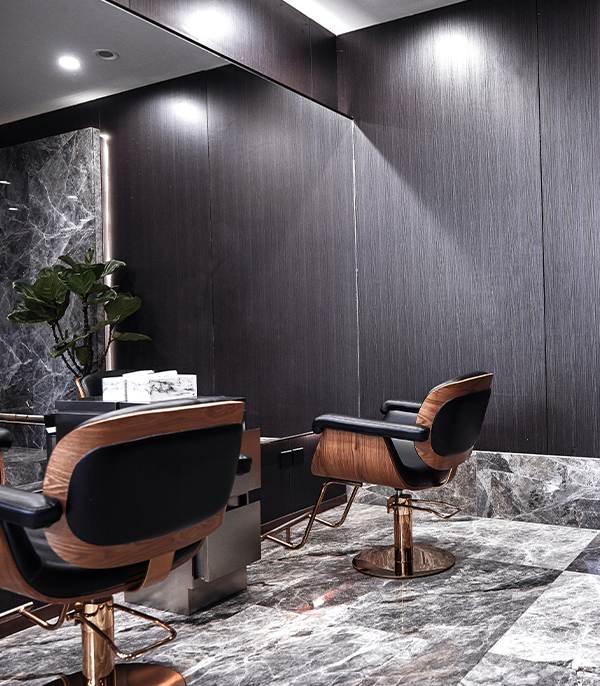
In the premium salon market segment, the Salon Shampoo Chair has evolved from a functional necessity into a signature design statement. Luxury Salon Interior Trends increasingly treat the shampoo area as a spa zone distinct from the cutting floor — often elevated architecturally with mood lighting, privacy screens, and upholstered surrounds that transform the wash experience into a mini-retreat within the salon visit.
Material trends in Luxury Salon Furniture are moving toward full-grain leather upholstery with contrast stitching, brushed stainless hardware, matte ceramic basins in non-standard colors (slate, terracotta, matte black), and integrated heated headrests. Salons that have invested in visually distinctive shampoo stations report that clients frequently share photographs of the wash area on social media — a word-of-mouth marketing value that is difficult to quantify but demonstrably real in terms of discovery traffic and new client acquisition.
Client Satisfaction Score Uplift by Shampoo Station Feature Addition (%)
The heated headrest generates the largest satisfaction uplift of any single feature addition, at +38% over a standard chair — a finding consistent with the centrality of neck relaxation to the overall wash experience. Adjustable neck rests deliver the second-highest impact, reinforcing that the geometric fit between chair and client anatomy is the primary comfort driver. Premium upholstery and privacy screens, while delivering meaningful improvements, have greater impact on the perception of luxury and exclusivity than on physical comfort directly.
How to Choose a Salon Shampoo Chair: A Practical Framework
With so many products available across the full spectrum of configurations, a structured approach helps salon owners avoid both over-investment in features that do not match their client base and under-investment in the comfort fundamentals that drive retention. Below is a practical framework for evaluating shampoo station options as part of any salon setup or refurbishment project.
- Define your service mix. Salons offering frequent color, bleach, and conditioning treatments need chairs that support extended recline durations — 20–45 minutes. Cut-only or quick-rinse operations can prioritize throughput and may opt for more compact designs.
- Measure your floor area first. Calculate the available footprint including the required swing arc for the recline mechanism, stylist working space behind the unit, and client entry/exit clearance. Do not select a chair before confirming these dimensions.
- Verify plumbing compatibility. Backwash units require a cold and hot water supply plus a drain. Confirm the location of your existing rough-in points before selecting a unit, or budget for relocation costs if needed.
- Sit in the chair before buying. Evaluate neck rest adjustment range, recline smoothness, armrest position, and seat cushion density personally. If possible, have staff members of different heights test the unit to assess fit across the stylist range as well.
- Check upholstery quality and cleanability. Salon chairs undergo frequent chemical exposure from dyes, bleach, and perm solutions. Upholstery should be resistant to chemical degradation and easily sanitized between clients.
- Evaluate warranty and spare parts availability. A quality Ergonomic Salon Chair is a long-term investment. Confirm that the manufacturer offers a meaningful warranty and that replacement parts — particularly neck rests, drain mechanisms, and reclining hardware — are stocked and accessible.
| Salon Type | Recommended Chair Type | Must-Have Features | Nice-to-Have |
|---|---|---|---|
| High-Volume Cut & Blow | Compact Backwash Unit | Quick recline, durable drain | Heated headrest |
| Color / Chemical Salon | Full-Recline Backwash | Extended recline, chemical-resistant upholstery | Adjustable footrest, massage |
| Luxury / Spa Salon | Premium Spa Backwash Unit | Heated headrest, premium upholstery, full flat | Built-in speakers, privacy screen |
| Mobile / Home Visit | Portable Shampoo Chair | Lightweight, foldable, neck support | Gravity-fed basin attachment |
| Barbershop | Barber Shampoo Station Combo | Sturdy frame, mid-recline, easy drain access | Hydraulic height adjustment |
Salon Shampoo Chair Maintenance: Protecting Your Investment
A quality Salon Shampoo Chair is a durable asset when properly maintained. The combination of water exposure, chemical contact, and daily mechanical use creates specific maintenance requirements that differ from cutting chairs or styling stations. Establishing a regular maintenance routine from installation day significantly extends the service life of both the mechanical and aesthetic components of any Salon Backwash Unit.
Daily Maintenance Practices
- Flush the basin drain fully after the last appointment to prevent product residue buildup that accelerates pipe corrosion.
- Wipe all upholstered surfaces with a damp cloth using a pH-neutral cleaner — avoid bleach-based cleaners on vinyl or leather unless the manufacturer specifically confirms chemical compatibility.
- Inspect the showerhead nozzle for limescale buildup, particularly in hard-water areas, and soak in white vinegar monthly to maintain full spray coverage.
Monthly and Quarterly Checks
- Test all recline lock positions and confirm the mechanism engages positively at each angle — any looseness or creeping indicates adjustment or replacement of the recline detent hardware is needed.
- Check all water supply hose connections for slow leaks or deterioration of the rubber seals, particularly at the hot/cold mixer valve.
- Inspect the neck rest cushion for compression set — a neck rest that has permanently deformed under repeated load should be replaced, as it no longer provides effective cervical support.
- For Hydraulic Shampoo Chair models, check hydraulic fluid level and pump operation annually — most manufacturers recommend a professional service interval of 12–18 months.
Eco-friendly salon operators should note that responsible maintenance also includes choosing biodegradable cleaning products compatible with salon drain discharge regulations. Many municipalities have tightened chemical discharge rules for commercial premises, and choosing Eco-Friendly Salon Equipment cleaning products reduces both environmental impact and regulatory risk.
About Ningbo HongZi Beauty Equipment
Ningbo HongZi Beauty & Hairdressing Equipment Co., Ltd. is a professional enterprise engaged in the research, development, manufacturing, and export of barber chairs, beauty beds, shampoo chairs, and related beauty salon furniture. Located in Sanqishi, Yuyao, Zhejiang Province — by the scenic Hangzhou Bay — the facility covers 22,000 square meters and employs over 120 staff, with an annual output value of 120 million RMB.
As a professional OEM Salon Shampoo Chair manufacturer and ODM Salon Shampoo Chair factory, HongZi operates specialized machinery including laser plate cutters, CNC leather cutters, pipe cutters, punching machines, and embroidery machines, alongside automated production lines for welding, cotton pasting, and final assembly. The integrated sofa workshop maintains a complete upholstery processing flow — from structural steel frames through to surface leather finishing — ensuring consistent quality and unified detail across every product shipped to clients worldwide.
Frequently Asked Questions
Real questions from salon owners, buyers, and stylists researching shampoo chair options.