
 ru
ru  English
 русский
 Español
 عربى
عربى
Choosing the right salon massage bed is one of the most important investments a spa, beauty salon, or tattoo studio can make. The bed you select directly affects client comfort, therapist ergonomics, treatment quality, and the long-term profitability of your business. Whether you are setting up a brand-new space or upgrading existing equipment, this guide provides clear, actionable insights on every key factor — from construction materials and weight capacity to hydraulic mechanisms and customization options.
The professional spa treatment bed market has expanded dramatically over the past decade, driven by rising demand for beauty and wellness services globally. According to industry estimates, the global spa and beauty equipment market is projected to grow at a compound annual growth rate of over 6% through 2030. This growth means more options for buyers — but also more complexity when making the right choice.
This guide is designed for salon owners, spa managers, independent beauty therapists, and procurement teams seeking a heavy duty salon massage bed or a portable beauty treatment bed that meets both clinical and aesthetic standards. Read on for a comprehensive breakdown of everything you need to know before making your purchase.
What Is a Salon Massage Bed and Why Does It Matter
A salon massage bed — also referred to as a beauty treatment bed, facial bed, or spa massage table — is a specialized piece of furniture designed to support clients during a wide range of beauty and wellness procedures. Unlike a standard household bed or a basic massage table, a professional-grade salon massage bed is engineered to meet the physical, hygienic, and ergonomic demands of a commercial beauty environment.
These beds typically feature adjustable height mechanisms (manual, hydraulic, or electric), removable or split footrests, cushioned upholstery in medical-grade or PU materials, and structural frames capable of supporting significant weight loads. Some models — particularly the adjustable beauty treatment bed category — offer multi-position backrest and leg rest configurations, making them suitable for facials, body treatments, tattoo sessions, waxing, and more.
The importance of investing in a quality bed cannot be overstated. A poorly designed bed can lead to client discomfort, increased fatigue for therapists, and accelerated wear and tear that increases long-term operational costs. A well-built professional spa treatment bed, on the other hand, can serve reliably for many years while maintaining a premium aesthetic that reinforces the salon's brand image.
Salon Massage Bed Usage by Treatment Type (%)
Source: Industry survey data on professional salon treatment bed applications.
The chart above illustrates how salon massage beds are used across different treatment categories. Facial and skincare treatments represent the largest segment, followed closely by body massage — underscoring the importance of choosing a bed that is versatile enough to support multiple service types. Multi-purpose designs are increasingly preferred by modern salons looking to maximize their return on equipment investment. A bed that can transition seamlessly from a facial session to a waxing treatment to a tattoo appointment reduces the need for multiple specialized pieces of furniture.
Key Types of Salon Massage Beds Explained
Not all salon massage beds are created equal. Understanding the main categories helps buyers match the right product to their specific professional context. Below is a breakdown of the most common types available from a professional salon furniture supplier or OEM salon massage bed manufacturer.
Hydraulic Beauty Beds
Hydraulic models use a foot-pump mechanism to raise or lower the bed height, offering smooth, tool-free adjustment without electrical components. The HZ010 Hydraulic massage bed, for example, provides height-adjustable operation suitable for tattoo, spa, and massage applications. Hydraulic beds are widely favored for their reliability, ease of maintenance, and suitability for environments where power outlets are limited. They are considered a staple in the hydraulic beauty bed supplier catalog and remain one of the most popular choices for mid-to-high-end salons worldwide.
Electric Salon Massage Beds
Electric beds feature motorized height and position adjustment controlled via a handset or foot pedal. An electric salon massage bed supplier will typically offer models with multiple independently controlled sections — head, back, seat, and leg — allowing precise positioning for complex treatment protocols. These are particularly popular in high-volume spas and medical beauty clinics where speed and repeatability of setup are valued. The investment is higher, but the workflow efficiency gains are significant.
Multi-Purpose Facial Chair Beds
Models such as the KF300 and HZ004 combine the functionality of a facial chair and a treatment bed. With hydraulic pump height adjustment, these convertible designs allow clients to sit upright for consultations and lay flat for treatments — all in one piece of equipment. This category is ideal for smaller studios seeking a best salon massage bed for small salon environments where space efficiency is a priority without compromising service quality.
Portable Beauty Treatment Beds
A portable beauty treatment bed is designed for mobile therapists who offer in-home, on-location, or event-based services. Lightweight aluminum frames, fold-flat designs, and carry bags make transport straightforward. While portability is the key feature, quality portable beds still deliver stable, comfortable treatment surfaces and should not be confused with temporary or low-grade alternatives.
Split Footrest Tattoo and Beauty Tables
Beds like the HZ017 and HZ006FT feature independently adjustable split footrests, which enable precise leg positioning for tattoo work, leg treatments, and waxing. This design ensures better client comfort and therapist access during extended sessions. The HZ019Z multipurpose spa massage bed further extends this concept with a fully adjustable configuration suited for diverse beauty salon and SPA applications.
| Type | Height Adjustment | Best For | Portability | Typical Load Capacity |
|---|---|---|---|---|
| Hydraulic | Foot pump | SPA, tattoo, massage | Low | 180–250 kg |
| Electric | Motorized | Medical beauty, luxury spa | Very Low | 200–300 kg |
| Multi-purpose Facial Chair | Hydraulic pump | Small salon, facial + body | Moderate | 150–200 kg |
| Portable | Manual fold | Mobile therapists | High | 120–180 kg |
| Split Footrest | Manual / Hydraulic | Tattoo, waxing, leg treatments | Low | 180–250 kg |
How to Evaluate Build Quality and Materials
The durability and hygiene of a beauty treatment bed factory product depend heavily on the materials used in its construction. When evaluating any model, consider the following three main material areas: the structural frame, the cushion/foam layer, and the upholstery surface.
Frame Materials
The frame is the backbone of any commercial massage bed manufacturer's product. Most professional-grade beds use steel frames — either cold-rolled steel or stainless steel — which offer superior rigidity and load-bearing capacity. High-quality manufacturers use laser plate cutters and CNC pipe cutters to ensure precise dimensions and tight welds, resulting in a frame that resists flex, vibration, and long-term fatigue. Powder-coated finishes protect against corrosion and are easier to wipe clean between clients.
Foam Density and Cushioning
Foam density directly determines how long the cushioning will maintain its shape and support. Industry standards for professional use typically recommend a foam density of at least 40 kg/m³ for the main body section, with higher-density options in high-compression zones such as the lumbar and headrest areas. Beds produced by companies operating automated cotton-pasting lines tend to deliver more consistent foam application and fewer irregularities that reduce client comfort over time.
Upholstery: PU Leather vs. Medical-Grade Vinyl
The outer covering of a salon massage bed must be easy to disinfect, resistant to moisture and chemical products, and comfortable against skin. Waterproof salon massage bed surfaces are a key requirement in any professional setting. PU (polyurethane) leather is the most commonly used material — it balances softness, durability, and ease of cleaning. Medical-grade vinyl offers slightly higher chemical resistance and is preferred in environments where strong disinfectant solutions are used routinely. Avoid beds with stitching or seams in high-wear areas, as these create entry points for moisture and bacteria.
Material Quality Radar: PU Leather vs Medical Vinyl vs Fabric
Radar comparison of upholstery materials across six professional performance dimensions.
The radar chart above reveals that PU leather and medical vinyl outperform fabric upholstery across most professional criteria, especially in hygiene and chemical resistance — the two most critical dimensions for commercial beauty environments. While fabric offers slightly superior immediate comfort, its poor performance in hygiene and chemical resistance makes it unsuitable as a primary upholstery choice for client-facing salon and spa equipment. Medical vinyl leads in chemical resistance, making it the preferred choice for clinics using aggressive disinfection protocols, while PU leather strikes the best overall balance across all dimensions including aesthetics and cost value.
Adjustability Features That Improve Treatment Outcomes
One of the most differentiating factors between entry-level and professional-grade salon beds is the range and quality of adjustable features. An adjustable salon massage bed that offers multiple independent section controls significantly expands the treatment options available within a single piece of equipment — directly impacting both client outcomes and therapist efficiency.
The most important adjustable elements in a professional bed include: height range (typically 55 cm to 85 cm for hydraulic models), backrest angle (0° to 85° for seated to flat positions), leg rest section (independently split on higher-end models), and headrest tilt. Each of these features enables distinct treatment configurations without requiring a separate piece of equipment for each service type.
- Height Adjustment: Enables therapists of different heights to work ergonomically, reducing back strain and extending career longevity.
- Backrest Recline: Allows transition from consultation (seated) to treatment (flat or semi-reclined) without requiring the client to move.
- Split Footrests: As featured on the HZ017 and HZ006FT models, allow each leg to be positioned independently — essential for bikini waxing, lower leg tattoos, and knee/ankle treatments.
- Removable Headrest: Provides access to the neck and upper shoulder area and is particularly valued in massage and physiotherapy applications.
- Armrests: Some adjustable beauty treatment bed models offer pivoting or removable armrests to improve therapist access and client comfort during longer sessions.
Client Satisfaction Score vs. Number of Adjustable Features
Client satisfaction ratings increase consistently as the number of independently adjustable bed sections rises.
The data above demonstrates a clear and consistent correlation between the number of independently adjustable bed features and overall client satisfaction scores. Beds with only one or two adjustment points score notably lower than those with four or five independently controlled sections. This trend is particularly significant in full-service salons and spas where diverse client demographics — including those with mobility challenges, larger body types, or specific treatment needs — require highly individualized positioning. Investing in a more adjustable bed is not merely a luxury; it is a measurable driver of client retention and positive reviews.
Selecting the Right Size for Your Salon Space
Size selection is one of the most commonly underestimated decisions when purchasing a spa massage bed manufacturer product. A bed that is too narrow may not accommodate larger clients comfortably, while a bed that is too long may create access difficulties in smaller treatment rooms. Standard professional bed dimensions and how they correspond to room sizes and treatment types are outlined below.
- Standard Length: 185–200 cm. Suitable for most adult clients and all common treatments.
- Width — Narrow (55–60 cm): Ideal for facial and upper-body treatments where arm reach and access are prioritized.
- Width — Standard (65–70 cm): The most versatile option for full-body massage, waxing, and spa wraps.
- Width — Wide (75–80 cm): Recommended for bariatric clients or deep tissue massage where client movement is involved.
- Minimum Room Space: Allow at least 90 cm clearance on the therapist's working sides and 60 cm at the head end for comfortable movement.
For operators seeking the best salon massage bed for small salon environments, multi-purpose compact models with chair conversion features — such as the KF300 series or HZ004 — offer the best combination of functionality and space efficiency. These models can serve double duty as both a consultation chair and a full treatment bed, reducing the total footprint required while maintaining professional service capability.
Treatment Room Area vs. Recommended Bed Width (cm)
Recommended bed width increases with available treatment room floor area for optimal therapist access and client comfort.
Weight Capacity and Structural Integrity
Weight capacity is a specification that is frequently misunderstood by buyers. The rated capacity of a salon massage bed refers to the static load limit — the maximum weight the bed can support when a client is lying still. In dynamic treatment scenarios — where therapists apply pressure during massage, or clients shift position — the actual stress on the frame can be significantly higher than the static load. A responsible spa massage bed manufacturer will engineer their products to handle dynamic loads well in excess of the stated static capacity.
For a general beauty salon serving a typical adult clientele, a bed with a 250 kg (approximately 550 lb) working load limit is a practical benchmark. For environments serving a broader range of body types, or for treatment types such as deep tissue massage and Thai massage where the therapist may apply significant force, a heavy duty salon massage bed rated at 300 kg or above provides a more appropriate safety margin.
Key structural features that support high load capacity include: reinforced cross-bracing within the frame, heavy-gauge steel legs, robust hydraulic or electric lift mechanisms tested to multi-thousand cycle ratings, and secure multi-point anchoring of foam padding assemblies. When reviewing specifications from a commercial massage bed manufacturer, always request test certifications and ask whether the stated capacity covers the full operational range or only specific positions.
Design and Aesthetics for Luxury Salon Environments
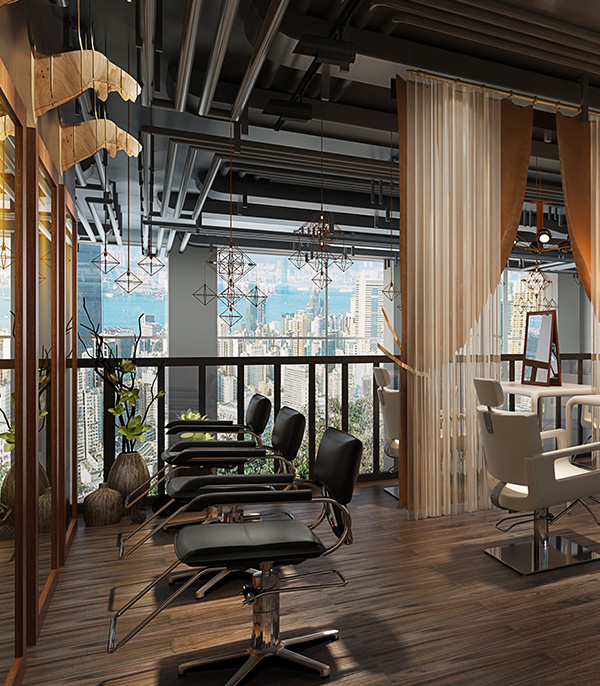
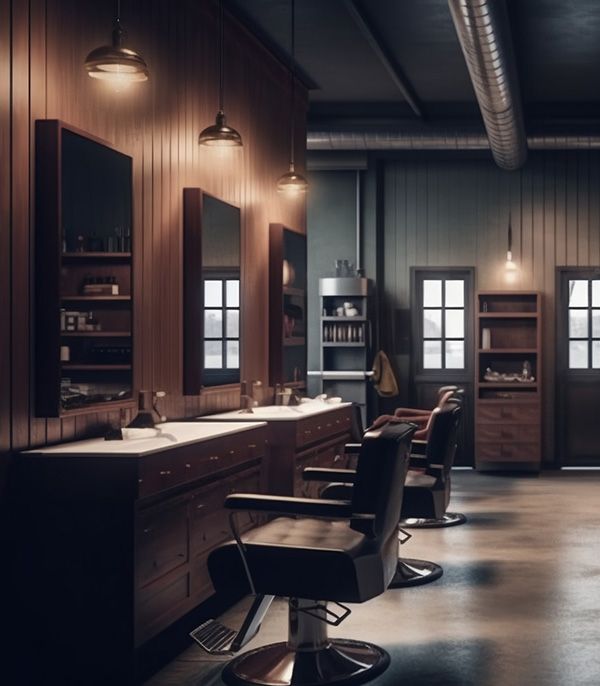
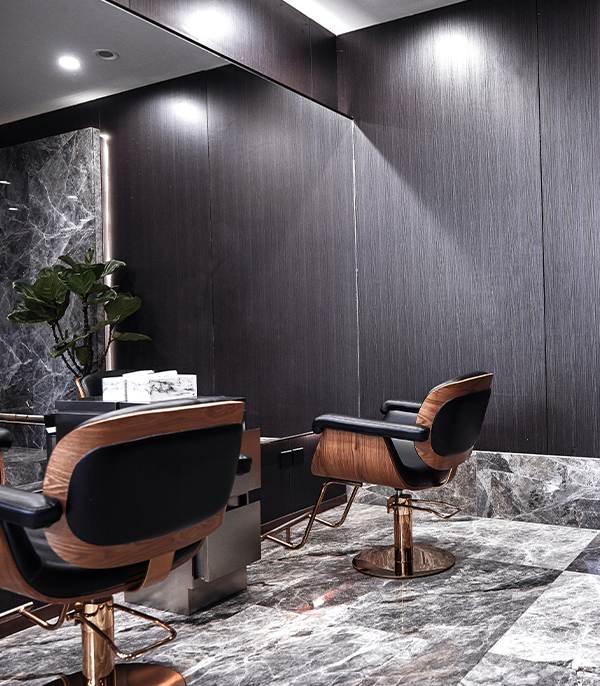
The visual presentation of treatment beds contributes meaningfully to the overall atmosphere of a salon or spa. A well-designed bed communicates professionalism, cleanliness, and care — qualities that premium clients directly associate with the value of their experience. For operators building a high-end environment, luxury salon massage bed design considerations go beyond structural performance to encompass color, form, and integration with the broader interior concept.
Most professional manufacturers offer upholstery color customization across a range of neutral and bold tones. White (as seen in the KF300WH and HZ017W models) creates a clean, clinical aesthetic that reinforces perceptions of hygiene and freshness. Black (KF300BK, HZ017BK) projects sophistication and is particularly popular in contemporary tattoo studios and modern urban spas. Neutral greys, creams, and champagne tones are commonly chosen for wellness-focused environments aiming for a serene, natural atmosphere.
Beyond color, form language matters. Curved transitions between the headrest, back section, and leg sections read as premium and ergonomic, while sharply angular designs may feel clinical in some contexts. The quality of stitching, button detailing, and chrome versus matte hardware finishes are all elements that influence the perceived quality of the product in a client's eyes, even before they lie down on it. For OEM buyers, working directly with an experienced OEM salon massage bed manufacturer enables full specification of these aesthetic details to match a specific brand identity.
Design Factors Valued Most by Salon & Spa Owners (%)
Survey of salon and spa owners on design priorities when purchasing professional treatment beds.
As shown in the chart, upholstery quality and color customization rank as the top two design considerations for salon owners, ahead of frame finish and ergonomic form. This reinforces the importance of choosing a manufacturer who offers genuine customization depth rather than a limited palette of two or three standard colors. The data also indicates that compact footprint — while important — is a secondary concern, suggesting that buyers are generally willing to allocate adequate floor space for a well-specified bed rather than compromise on size to save space.
OEM and ODM Customization for Salon Brands
For salon chains, spa groups, and equipment distributors seeking differentiated products, working with a professional OEM salon massage bed manufacturer or beauty treatment bed factory offers significant advantages over purchasing off-the-shelf products. OEM (Original Equipment Manufacturing) arrangements allow clients to specify exact dimensions, upholstery materials, color schemes, logo placement, and accessory configurations, resulting in a product that carries the buyer's brand identity rather than that of the factory.
Ningbo HongZi Beauty & Hairdressing Equipment Co., Ltd. operates as both an OEM and ODM (Original Design Manufacturing) partner for clients worldwide. With a production facility spanning 22,000 square meters, a workforce of over 120 skilled employees, and an annual output value of 120 million RMB, the company has the scale and technical depth to handle both small and large-volume custom orders. The facility is equipped with laser plate cutters, CNC leather cutters, pipe cutters, punching machines, and embroidery machines, enabling precise customization across structural and decorative dimensions.
The in-house sofa and upholstery workshop handles the complete processing flow from structural components through to surface leather application — a vertically integrated capability that ensures quality consistency and minimizes the risk of component mismatch. Buyers working with this manufacturer as their electric salon massage bed supplier or hydraulic beauty bed supplier can expect unified detailing, controlled lead times, and factory-direct communication at each stage of development.
Hygiene, Maintenance, and Longevity Considerations
In a commercial beauty setting, hygiene compliance is not optional — it is a legal and reputational requirement. The design of the bed itself has a significant influence on how easy it is to maintain a clean, sanitary surface between clients. The following features are markers of a bed designed with hygiene in mind.
- Seamless or minimal-seam upholstery: Reduces areas where moisture, oils, and microbial contaminants can accumulate.
- Waterproof surface materials: A waterproof salon massage bed surface allows cleaning with liquid disinfectants without risk of foam saturation or structural damage.
- Removable headrest covers: Allow separate laundering and enable quick replacement without servicing the entire bed.
- Easy-clean frame and base: Powder-coated or chrome-plated bases should be wiped clean without chemical damage; avoid textured finishes that trap dirt in crevices.
- Hydraulic cylinder maintenance: Hydraulic systems require periodic fluid checks and piston seal inspection to maintain consistent height adjustment over time.
With proper routine maintenance — weekly wipe-down with approved disinfectants, monthly inspection of all moving mechanical parts, and annual review of upholstery integrity — a professionally manufactured salon massage bed should deliver 8–12 years of reliable service in a typical commercial environment. Beds from manufacturers operating automated welding and assembly lines typically show lower rates of structural failure, as automated processes reduce the variability associated with hand-fabricated frames.
Buying Checklist Before You Purchase
Before finalizing any purchase from a salon massage bed manufacturer or professional salon furniture supplier, use the following checklist to ensure no critical specification is overlooked.
- Define the primary treatment types the bed will serve (facial, massage, tattoo, waxing, spa).
- Measure your treatment room and confirm minimum clearance dimensions.
- Establish the maximum client weight your service accepts and select a bed with an appropriate safety margin.
- Determine your preferred adjustment mechanism: hydraulic, electric, or manual.
- Review upholstery options for waterproofing, color availability, and chemical compatibility with your disinfection protocol.
- Request load test certificates and quality documentation from the manufacturer.
- Confirm the warranty coverage, spare parts availability, and after-sales support options.
- If ordering custom or OEM products, verify the manufacturer's lead time and MOQ (minimum order quantity) policies.
- Inspect or request samples of upholstery material before committing to a color or finish.
- Verify compliance with any relevant local safety or equipment standards applicable in your market.
Frequently Asked Questions
Q1: What is a salon massage bed?
A salon massage bed is a professional piece of furniture used in beauty salons, spas, and treatment studios to support clients during procedures such as facials, body massages, waxing, and tattoo sessions. It features adjustable height, cushioned surfaces, and hygienic upholstery designed for repeated daily commercial use.
Q2: What is the difference between a massage table and a salon massage bed?
A standard massage table is typically a lightweight, portable flat surface used primarily for body massage. A salon massage bed, by contrast, is a heavier, multi-functional piece of equipment with adjustable backrest sections, hydraulic or electric height controls, and a wider feature set suitable for diverse beauty and spa treatments beyond basic massage.
Q3: What size salon massage bed is best?
For most standard treatment rooms, a bed measuring approximately 185–200 cm in length and 65–70 cm in width is the most versatile option. Smaller spaces or single-service setups (facial-only, for example) can use narrower 55–60 cm models, while larger multi-purpose studios benefit from 70–75 cm widths that accommodate full-body treatment access.
Q4: How much weight can a salon massage bed hold?
Most professional salon massage beds support between 150 and 300 kg depending on the model and construction. For general salon use, a capacity of 200–250 kg is practical for the majority of clients. For environments where higher loads or greater therapist pressure are anticipated, a heavy duty salon massage bed rated at 280–300 kg is a more suitable choice.
Q5: What materials are best for salon massage beds?
The best materials combine a robust steel frame (for structural integrity), high-density CFC-free foam (for lasting cushion support), and waterproof PU leather or medical-grade vinyl upholstery (for hygiene and ease of cleaning). These materials collectively deliver the durability, client comfort, and sanitary standards required in a professional commercial beauty setting.
Q6: Can I order a custom color or OEM salon massage bed?
Yes. Many professional manufacturers offer OEM and ODM services, allowing buyers to specify upholstery color, frame finish, logo embroidery, dimensions, and accessory configurations. Working directly with an experienced OEM salon massage bed manufacturer ensures product differentiation and brand consistency across a salon chain or product distribution range.
Q7: How do I clean and maintain a salon massage bed?
Wipe down the upholstery surface with an approved disinfectant spray between each client. Avoid bleach-based cleaners unless the upholstery is specifically rated for them. Check hydraulic pump operation and frame joints monthly. Inspect the upholstery seams and foam condition quarterly, and service or replace hydraulic fluid as recommended by the manufacturer, typically annually under heavy-use conditions.
Q8: What is the best salon massage bed for a small salon?
For compact spaces, a multi-purpose facial chair bed with hydraulic conversion is an excellent solution. Models that transition from seated to flat configurations eliminate the need for separate consultation and treatment furniture. Look for a compact footprint, ideally under 185 cm in length when fully extended, combined with adjustable height and backrest functions to maximize the range of services available in a limited area.